
Your operators keep the picture. Even when the link goes down.
When comms are jammed, degraded, or just expensive, most monitoring platforms stop working. Helin keeps running, processing sensor data locally on the vessel, vehicle, or site, without a cloud in the loop.
- Purpose-built for OT environments
- NIS2-ready architecture
- Deployable in air-gapped networks
- No cloud dependency for core function
At a glance
- Your asset keeps producing sensor data whether or not it has a connection. Helin processes it locally, so awareness doesn't depend on a link that may not be there.
- Legacy OT protocols (Modbus, DNP3, CAN bus) are supported natively. No middleware layer between Helin and what's already installed.
- Operational data stays on the asset or on-premises. No telemetry routed through third-party cloud. Air-gapped deployment is a supported configuration, not a workaround.
- When a comms window opens, Helin syncs what you configure it to sync. Bandwidth isn't wasted pushing everything.
- NIS2 requirements around data residency and network segmentation are met by the architecture, not added to it afterwards.
The gap most monitoring platforms don't survive
- Connectivity dependency
- Most OT monitoring tools route telemetry through cloud infrastructure. In contested or remote environments, that's a single point of failure. If the link drops, so does your awareness. Helin's local processing keeps the picture intact regardless of what's happening upstream.
- Legacy OT protocol debt
- Defense platforms run Modbus, DNP3, CAN bus, and proprietary fieldbuses. Most modern monitoring vendors won't touch them without custom middleware. Helin connects natively. No gateway to procure, no protocol converter to maintain, no additional failure point.
- NIS2 and defense-grade cyber posture
- NIS2 now covers defense-adjacent infrastructure operators in the EU. Air-gapped deployment, local data residency, and zero cloud dependency are compliance requirements for an increasing number of contracts. Helin's architecture was built for this from the start.
- Crew as the detection layer
- When monitoring fails, crew notice something is wrong after a system already has. Instrument failure, thermal anomaly, vibration signature: these show up in sensor data minutes to hours before they show up in behavior. Without edge processing, that window closes.
Operational Blind Spot Exposure
600 hrs
50%
Your fleet's annual unmonitored exposure:
3,000 hours
This is how long your platforms operated last year without reliable situational awareness. Not a cost figure — an availability figure. The question is whether that number is acceptable.
Platforms × degraded communications hours per platform × monitoring lost (%). Illustrative projection based on your inputs, not a measured historical total.
Your assets keep running. Your people stay visible. Your data stays inside the perimeter.
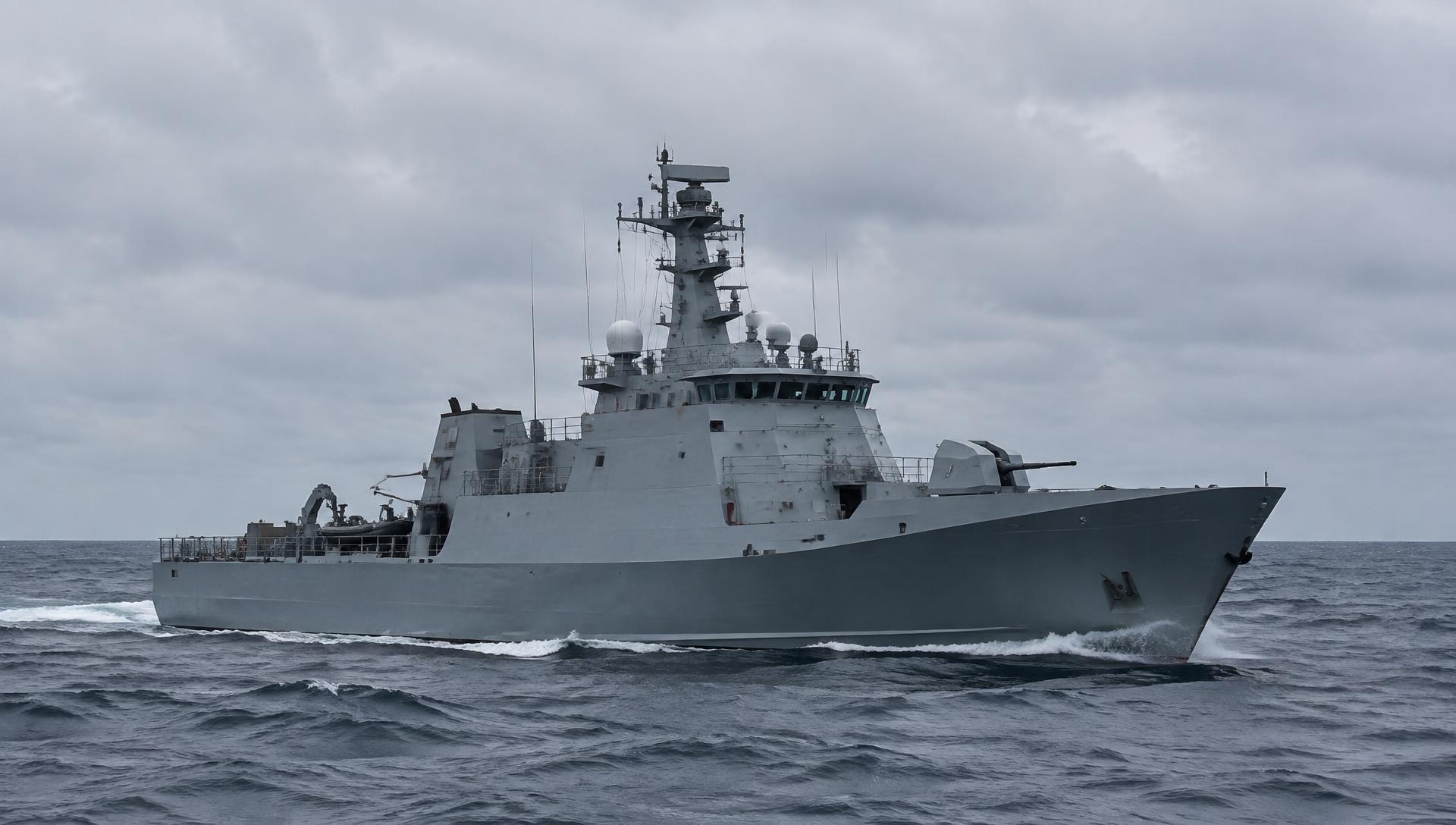
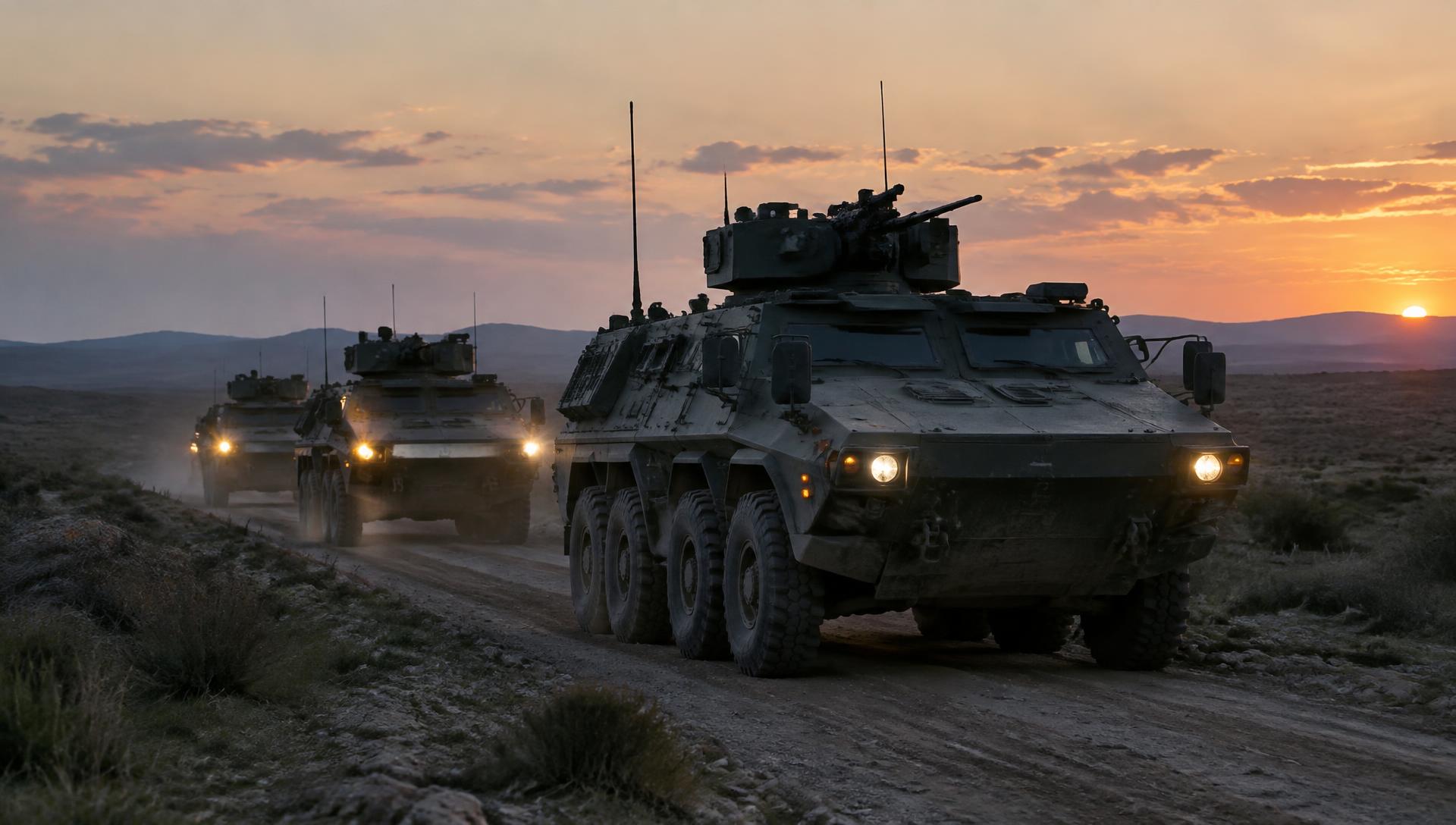
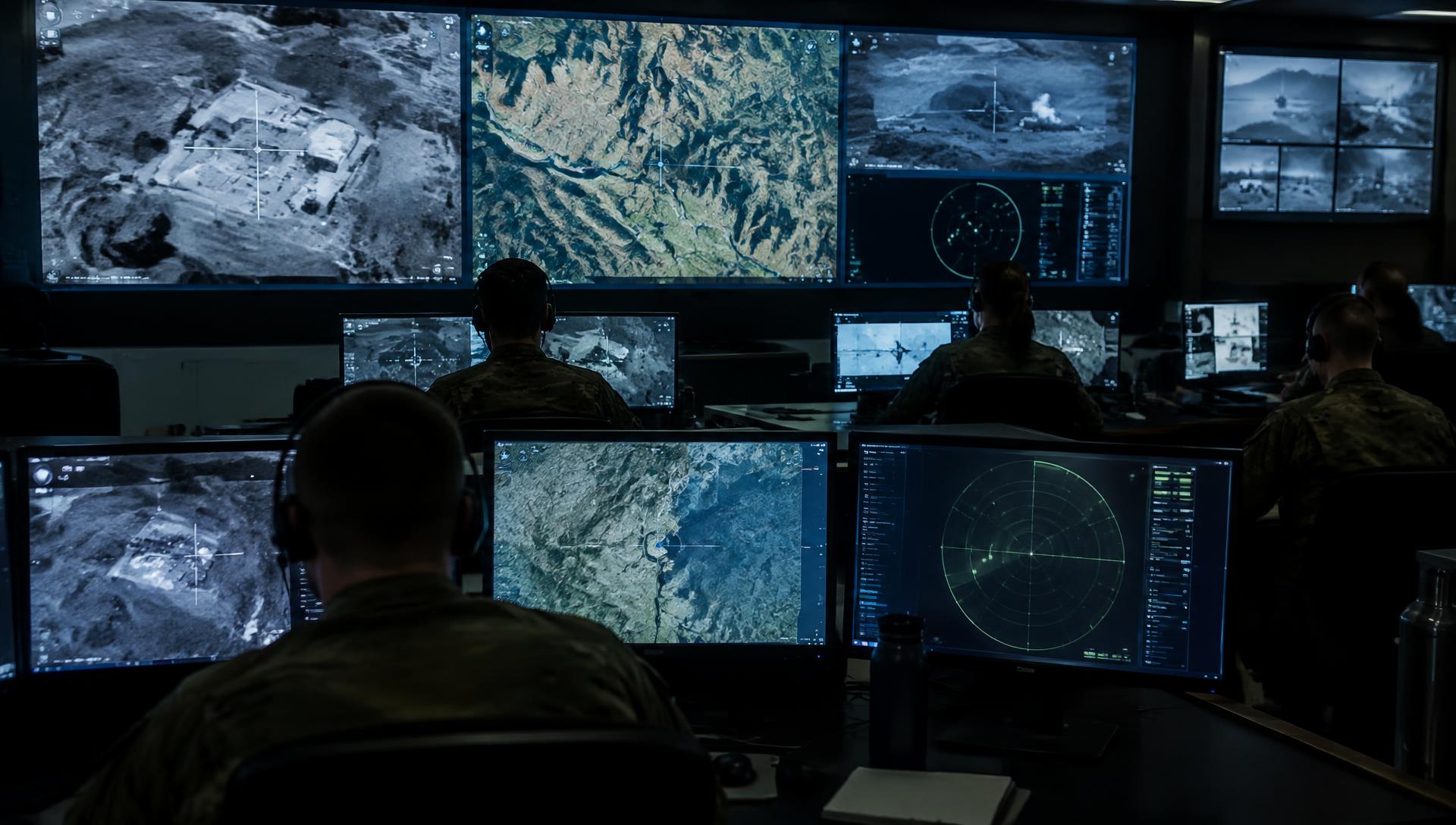
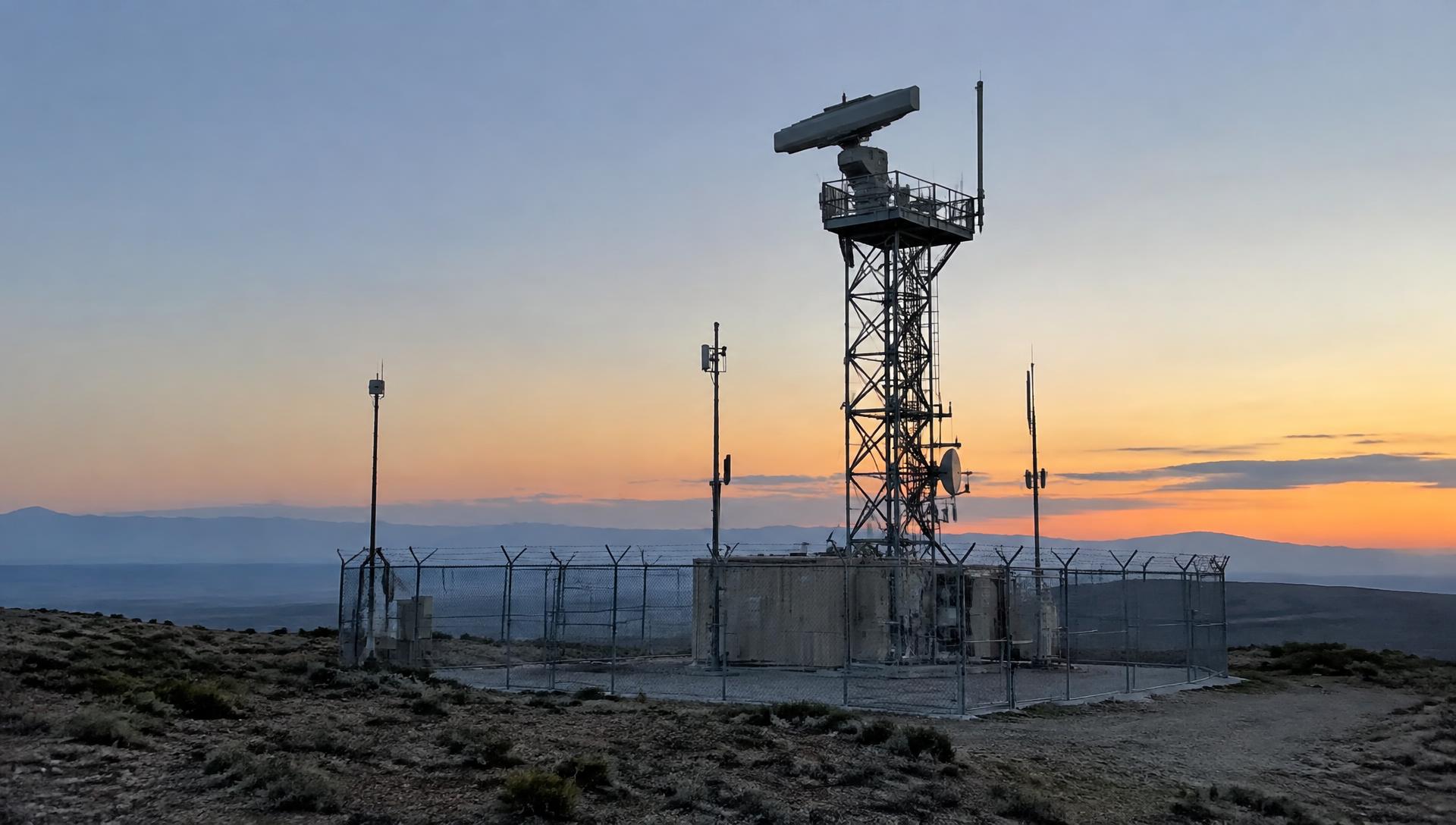
Five environments where losing the link cannot mean losing control.
Everything you're managing separately, running as one.
Key features by capability
- Edge control01
Edge runtime
Applications execute at the asset. Control logic runs locally, with or without a connection. When comms are degraded or denied, operations continue. Nothing waits for a cloud response before acting.
- Edge control02
Hardware-agnostic deployment
Helin provisions from the OS up. Runs on existing edge hardware across vessels, vehicles, and fixed sites. No vendor lock-in, no hardware replacement project before you can start.
- Edge control03
Edge buffering
Data queues locally during any outage and transmits in sequence when the link returns. No gaps in the operational record, no data written off when satellite drops.
- Edge control04
Over-the-air (OTA) updates
OS updates, application patches, and security fixes deploy to every node across the fleet without a site visit. Staged rollout: tested on a subset before it reaches the production fleet.
- Edge control05
Fleet and device management
Provision, configure, monitor, and patch every edge node from one console. No engineer on-site for routine management. Anomalies surface as alerts rather than field reports.
What changes when the architecture is right
Edge control
Your platforms generate sensor data whether or not they have a connection. Helin processes it at the asset. Control decisions, fault detection, and crew alerts happen locally. When comms are degraded or denied, operations continue. When connectivity returns, data syncs. Nothing in the operational picture depends on a link that may not be there.
Security by design
Every device on your network has a verifiable cryptographic identity before it connects. Every access event is logged. Remote access requires MFA approval and leaves a full audit trail. OTA updates deploy through a governed pipeline. NIS2 compliance evidence is generated automatically in normal operation — not assembled before an audit. Air-gapped configurations are supported by design, not by exception.
Data to control
Defense platforms fail in predictable ways. Thermal signatures appear before a component fails. Vibration patterns shift before a bearing goes. Fuel consumption changes before an engine shows a fault code. That data exists on your assets. Helin processes it locally and closes the loop — the AI model runs at the asset, acts on what it finds, and does not wait for a human to review a dashboard. Your engineers see the pattern before it becomes a maintenance event.
Your expertise, running at the edge
Your teams know your platforms, your protocols, and your operational logic. Helin provides the foundation: runtime, device management, security layer, deployment pipelines, and native support for Modbus, DNP3, CAN bus, OPC-UA, NMEA 2000, and IEC 61850. Build the application once. Run it across every asset in the fleet without rebuilding the infrastructure underneath for each one.
If connectivity is not guaranteed, your monitoring shouldn't depend on it.
Helin runs on the asset. We can walk you through the architecture, the protocol support, and what deployment looks like in your environment: air-gapped, hybrid, or fully connected.
Architecture comparison
| Capability | Helin edge-native | Cloud-first OT monitoring |
|---|---|---|
| Works without connectivity | Yes — local processing runs regardless | No — awareness stops when link drops |
| Data residency | On-asset or on-premises | Third-party cloud infrastructure |
| OT protocol support | Native — no additional layer | Often requires middleware or gateway |
| NIS2 / air-gap compatible | Yes, by design | Rarely without significant custom work |
| Sync behavior | Selective sync on connectivity return | Always-on required |
| Alert latency | Generated locally, immediate | Depends on cloud round-trip |
| Deployment in contested environments | Designed for it | Not viable |
Specifications
| Supported protocols | Modbus RTU/TCP, DNP3, OPC-UA, CAN bus, NMEA 2000, IEC 61850, proprietary fieldbuses on request |
|---|---|
| Deployment modes | Edge-only (air-gapped), edge + selective cloud sync, hybrid (edge primary, cloud secondary) |
| Data residency options | On-asset, on-premises server, private cloud, or hybrid |
| Connectivity requirement for core function | None — Helin operates fully offline |
| Sync behavior | Configurable by data type, frequency, and available bandwidth |
| Hardware | Deployable on ruggedised industrial edge hardware or customer-specified compute |
| Cybersecurity posture | NIS2-compatible; zero external data dependency; supports network segmentation and air-gap requirements |
| Integration | REST API, MQTT, existing SCADA/DCS systems; no replacement of existing control infrastructure required |
| Supported asset types | Vessels, vehicles, fixed sites, remote infrastructure |
Frequently asked questions
What this is not
Not a cybersecurity product
Helin monitors operational technology: asset health, sensor data, system performance. It does not replace intrusion detection, endpoint security, or network security tooling.
Not a control system
Helin reads from existing control infrastructure rather than replacing it. If your requirement is a new control system, that's a different procurement.
Not a cloud analytics platform
Helin processes data at the edge. If you need a cloud-first analytics layer with centralized data aggregation as the primary function, that's a different architecture.
Not an intelligence or personnel tracking system
Helin monitors mechanical and electrical systems on assets you operate. It does not handle signals intelligence, ISR, or personnel tracking use cases.
Edge intelligence, once a month.
Field notes from industrial operations running control at the asset: deployment patterns, compliance changes, and what we learn on site. No product marketing.