Geothermal operations are outgrowing the tools built to manage them.
Running multiple doublets on separate monitoring systems means the portfolio picture you need doesn't exist until someone builds it by hand. Helin connects every well to a single operating picture, with anomaly detection at the edge and compliance reporting that runs automatically. HVC improved well uptime by 6%.
Proven in geothermal, grid, offshore, and maritime operations
- HVC
- Boskalis
- Sunrock
- BP
At a glance
- Helin is the edge platform for geothermal operators managing distributed wells and doublets.
- Anomaly detection runs at the edge, so the operations team sees a developing condition before it becomes a production loss
- Thermal yield, ESP performance, and well integrity monitored continuously, not on the next inspection cycle
- Every doublet in one view, updated in real time, without manual data consolidation
- ISO 27001, NIS2, and EU CRA compliance evidence generated automatically from operations
- Deploys in 1–4 weeks per site
The four gaps most geothermal portfolios carry
- 1. Monitoring runs on a per-well cycle, not in real time
- A casing pressure anomaly or ESP deviation that shows up in Tuesday's telemetry appears in Friday's report. By then, early intervention isn't an option.
- 2. Each doublet runs its own system
- Four wells means four monitoring interfaces, four export formats, and a manual reconciliation step before anyone can see portfolio performance. Asset managers build the picture by hand.
- 3. Maintenance follows the calendar, not the asset
- Fixed intervals mean servicing components that don't need it and missing conditions that are already developing. Geothermal wells don't degrade on a schedule.
- 4. Compliance evidence lives across three systems
- NIS2, ISO 27001, and offtake contract records each draw from different sources. Every audit period starts with a week of manual assembly.
Exposure calculator
No email gate. Annual heat revenue × recoverable uptime. A geothermal operator measured a 6% uptime increase after deployment. The 3 percent default sits deliberately at half of that. The €12M default assumes four doublets at roughly the Dutch average output, since 28 deep geothermal plants produced 7.9 PJ of heat in 2024.
Where the gaps show up in a geothermal portfolio.
Each use case runs on the same platform. Add one, the infrastructure for the next is already there.
Stop building the portfolio view by hand.
Key features by capability
Well monitoring and control decisions run at the asset, without a cloud round-trip.
- Edge control01
Edge runtime
Control logic and anomaly detection execute locally on the edge node at each well. Monitoring continues when connectivity is lost.
- Edge control02
Well integrity monitoring
Corrosion indicators, casing integrity, and pressure readings monitored continuously. An alert fires at the edge the moment a threshold is crossed. Verified: HVC achieved 6% well uptime improvement through real-time integrity monitoring.
- Edge control03
Automated anomaly detection
Threshold logic and trend analysis run continuously against the telemetry stream. The engineer receives the alert before the condition progresses, whether they're watching the dashboard or not.
- Edge control04
Offline resilience
If a well site loses its connection, the edge node keeps running on its last parameters and buffers data locally. Nothing stops when the link drops.
- Edge control05
Over-the-air updates
Software updates and predictive model improvements deploy remotely to every edge node. No site visit required.
More from every well. Without rebuilding how you operate.
Edge control, not cloud dependency
A geothermal well generating a casing anomaly at 11pm on a Tuesday doesn't wait for the next report cycle. Neither does the alert. Detection logic runs at the edge node on site, continuously, against the live telemetry stream. The operations team gets the signal before the condition progresses. Sites keep running when connectivity drops. The monitoring doesn't stop because the link did.
Security by design
Every edge node is provisioned with a certificate-based identity. Every remote session is authenticated, scoped, logged, and closed when the task is done. NIS2 and ISO 27001 audit evidence is generated automatically from operations. The audit pack exists before the audit period opens. Compliance isn't a project that runs before every review. It's a property of how the platform runs every day.
Data to control, not data to dashboard
Most geothermal portfolios produce data. Fewer act on it fast enough to matter. Flow, temperature, and pressure analytics run continuously on the live telemetry stream. ESP deviations surface before they become pump failures. TNO's predictive models run at the edge and update over the air. The commercial record, settlement calculations, and offtake delivery data are generated from the same operational data stream, without a separate compilation step.
Your expertise, running at the edge
TNO's predictive algorithms already run at the edge at HVC. The same platform that hosts them hosts any application your team builds. Your engineers' understanding of your specific subsurface conditions and equipment behavior can be encoded and deployed at the asset, without a site visit and without waiting for a vendor release cycle. As the portfolio grows, that knowledge scales with it.
HVC, five sites, one monitoring layer, 6 percent more uptime
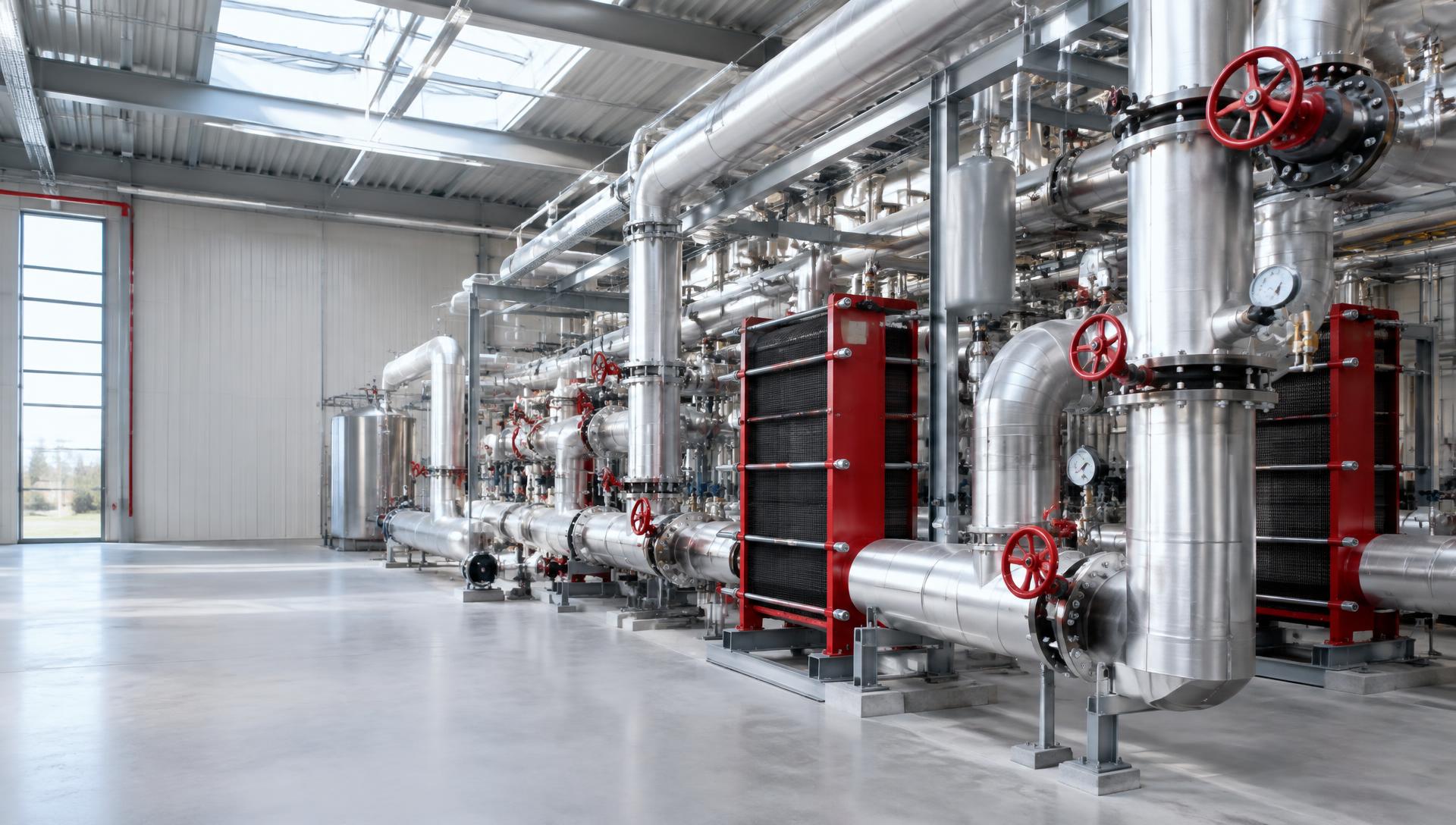
- Well uptime, through data-driven maintenance
- +6%
- Sites on one monitoring layer
- 5
- Doublets operational, two drilled, five in development
- 4
- Portfolio view, with automated stakeholder reporting
- 1
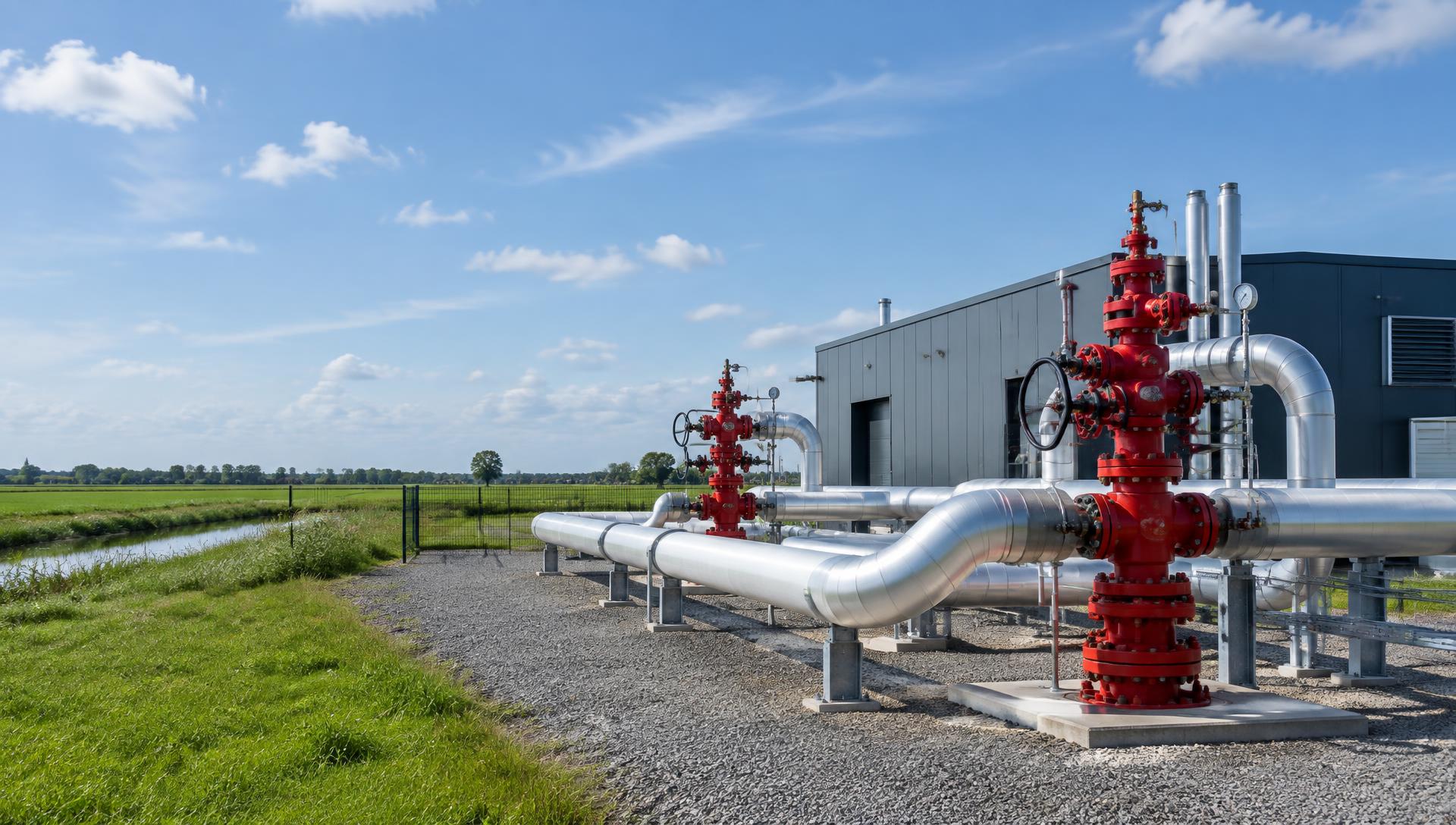
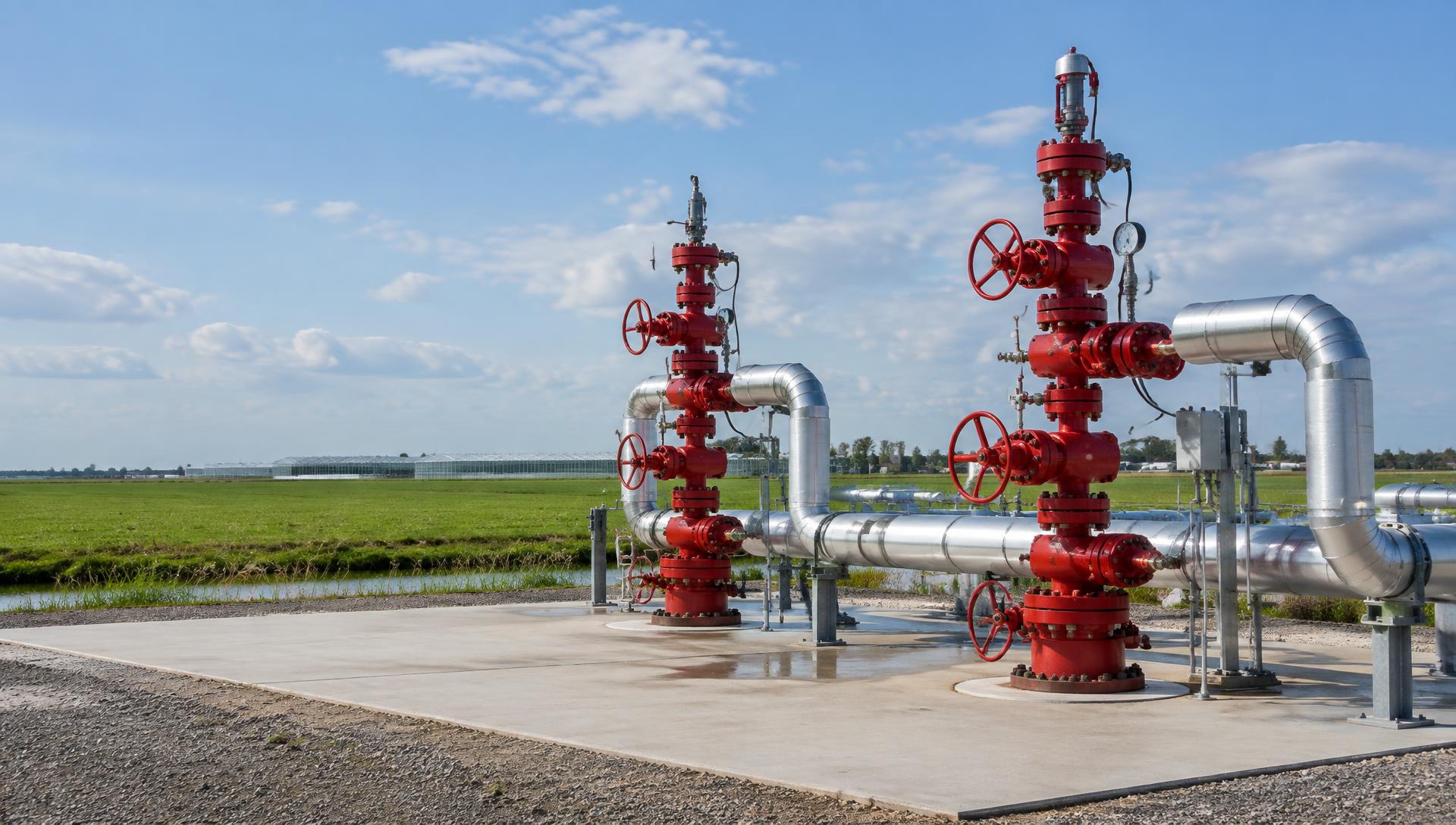
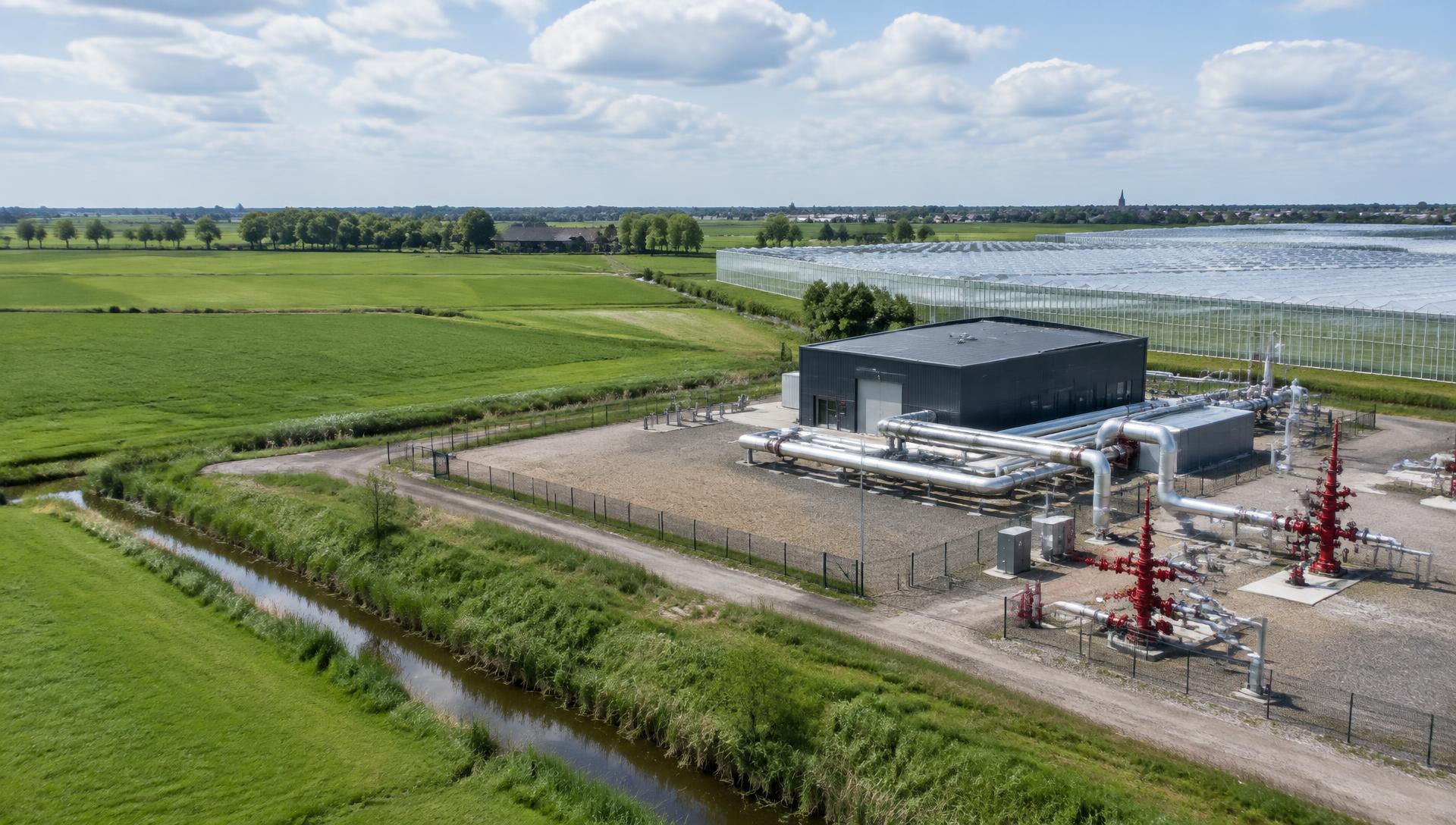
HVC runs geothermal doublets inside a Dutch utility that also handles waste processing, wind, solar and district heating. Four doublets operational, two drilled, five in development. Aardwarmte Maasdijk was the first site on the platform.
Process data across sites was intermittent, unsynchronized and lacked standardization. Every question that spanned two sites started with an export.
The result was a 6 percent increase in well uptime through data-driven maintenance, plus one monitoring view with automated reporting to stakeholders.
The rollout, in five steps
- 1
Cloud configuration to HVC's endpoint requirements.
- 2
First site ingested over OPC UA.
- 3
Calculations defined and site dashboards configured with their engineers.
- 4
Portfolio-wide rollout including the heat grid endpoint.
- 5
A digital twin co-developed with TNO for production optimization.
If your portfolio has outgrown your monitoring setup, a 30-minute conversation will show you where the gaps are.
Most operators who reach out are managing three or more doublets on separate systems and spending time every week on data consolidation that shouldn't be manual.
If that's your situation, we can map your current setup against what continuous edge monitoring changes, specifically for your portfolio size and configuration.
How geothermal monitoring architectures compare.
| Helin | Point-solution stack | Cloud-first SCADA | |
|---|---|---|---|
| Detection model | Continuous, at the edge, sub-second to alert | Per-well; detection latency set by upload cycle | Depends on connectivity; gaps when offline |
| Well integrity alerting | Threshold crossing triggers alert at the edge immediately | Alert requires data to reach cloud first | Alert only if upload succeeded |
| Offline resilience | Edge node buffers and processes without cloud connection | Varies; often no local compute | No cloud, no detection |
| Portfolio view | Native, real-time, single data model across all doublets | Custom integration required per well | Depends on connectivity to cloud |
| NIS2 / ISO 27001 | Automated from operations; audit trail continuous | Manual aggregation across systems | Cloud-side only; OT side typically uncovered |
| OTA updates | Remote, signed, staged deployment | Requires per-system update process | Cloud-managed; OT side manual |
| Who owns the problem | One vendor, one platform | Each point solution's support team | Cloud vendor scope ends at the connector |
| Time to first site live | 1-4 weeks | Weeks to months | Months |
Specifications
| Protocols | OPC UA (primary), Modbus, CAN, REST API |
|---|---|
| Edge hardware | Moxa MX1220 series edge server |
| Hardware cost | €3,905 per node (one-time) |
| Tag capacity | 500 tags at 1Hz base; scales to 5,000 tags across tiers |
| Custom calculations | 10 included (Advanced tier) |
| Dashboards | Real-time Grafana; Excel export available |
| Predictive models | TNO-certified algorithms; OTA-updateable |
| Implementation | 1-4 weeks per site; sites can deploy in parallel |
| Remote access | Zero-trust, session-authenticated, no persistent VPN |
| OTA updates | Signed, staged, validated before production deployment |
| Security | X.509, TLS, TPM 2.0, PKI with auto-renewal, SBOM, recurring penetration tests |
| Compliance | ISO 27001, NIS2, EU Cyber Resilience Act |
| Multi-tenancy | Data stays in customer's own tenant |
| SLA | Business-hours SLA included; extended SLA: confirm with product team |
Frequently asked questions
What this is not
Not a self-service product
Deployment requires a scoped implementation with Helin's engineering team. Current time-to-value is 1-4 weeks per site. A self-service onboarding track isn't available today.
Not a data lake or BI platform
GeoWell Manager generates structured operational data and compliance reports. It's not a replacement for a dedicated data warehouse or strategic BI tool.
Not a drilling engineering tool
GeoWell Manager monitors and optimizes producing wells and doublets. It doesn't support well design, reservoir modeling for exploration, or drilling operations.
Not a substitute for a geothermal domain expert
The platform surfaces what the data shows. Interpreting a subsurface anomaly still requires a well engineer with domain knowledge. GeoWell Manager gives that engineer better information faster.
Not a cloud-only deployment
GeoWell Manager requires an edge node at the site. A cloud-only configuration without local edge compute isn't supported. The detection model depends on edge-local processing.
Not compatible with all historians on day one
Integration with existing third-party historians varies by system and configuration. Specific compatibility is confirmed during scoping, not assumed.
Not a standalone cybersecurity product
GeoWell Manager meets NIS2 and EU CRA requirements as a platform. It's not a replacement for a SIEM or dedicated OT security monitoring tool where those are separately required.
Edge intelligence, once a month.
Field notes from industrial operations running control at the asset: deployment patterns, compliance changes, and what we learn on site. No product marketing.